Egyptian currency and money in Egypt explained, so cash stops being a worry on your trip
Egyptian currency and money in Egypt explained, so cash stops being a worry on your trip
The currency of Egypt is the Egyptian pound, written EGP on exchange boards and LE on price tags, and divided into piastres you will almost never see. You do not need to bring it from home: change dollars or euros at a bank or exchange office after you land, or withdraw from an ATM. Cards work at hotels, larger restaurants and bigger stores, but tips, taxis, markets, restrooms and most small purchases are cash only, so the useful skill is keeping a stock of small bills. Below is how the notes look, where to change safely, what cards cover, and what to do with the pounds you have left.
What the Egyptian pound actually is
Egypt uses one currency, the Egyptian pound. On exchange boards and bank screens it appears as EGP, the international code. On menus, price tags and museum signs you will more often see LE, short for livre egyptienne, a leftover from the era when French was the language of Egyptian banking. In spoken Arabic the pound is the guineih, and that is the word you hear in the street, the market and the taxi.
Each pound divides into one hundred piastres. You will hear the word, see it on a few old coins, and almost never use it. Prices are quoted and change is given in whole pounds.
The pound floats against the dollar and the euro and has moved a great deal over the last decade, so any figure written down months ago is stale. Check your banking app the morning you change, and stop thinking about it.
The notes you will handle, paper and polymer
Egyptian banknotes run from small to large values. One face carries Arabic script, Eastern Arabic numerals and an Islamic monument; the other carries English, Western numerals and a pharaonic temple, statue or relief. When you cannot read a note, flip it over.
The one real trap is color. Several values share a color family, and a tired traveler in a dim souk can hand over a large note thinking it is a small one. For the first few days, read the printed number, not the color, every time you pay.
Egypt has begun replacing some lower values with polymer notes, the plastic ones with a clear window. They survive sweat and rain far better than paper, and paper and polymer versions of the same value circulate side by side.
Coins exist but are light, few and easy to lose. The practical hierarchy:
- Large notes come from the ATM and the exchange office. Break them early at a hotel, a supermarket or a proper restaurant.
- Medium notes pay for lunches, short taxi rides and small shopping.
- Small notes are the most valuable thing in your wallet, because tips, restrooms and bottled water are paid with them all day.
Cash or card: how Egypt really pays day to day
Card acceptance is now normal where a visitor spends the bigger money: hotels, Nile cruise ships, mid-range and upscale restaurants, pharmacies, supermarkets, malls and the larger souvenir and jewelry shops. Contactless works in most of those, and usually your phone wallet too.
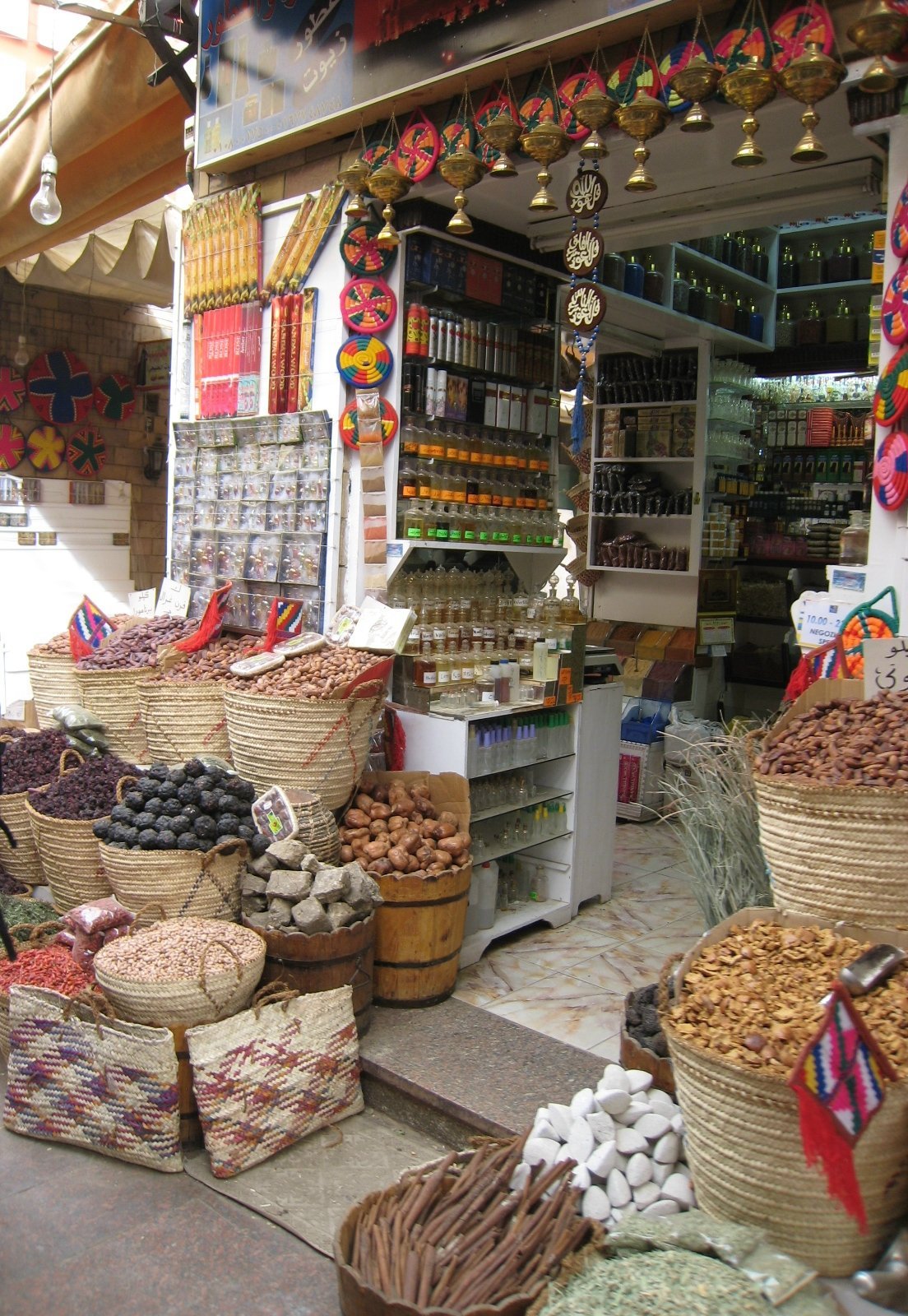
Where the card fails is the layer underneath, exactly where a traveler pays several times a day: taxis without a meter app, the felucca captain, the restroom attendant, the juice stand, the spice seller in Khan el Khalili, the tip for the porter and the driver. None of those take plastic.
So the honest answer is both, in a specific split. Put the hotel, the cruise, dinners and any large purchase on the card. Carry cash pounds, mostly small notes, for everything in between.
Prices in tourist areas are sometimes displayed in dollars or euros, but paying in pounds is nearly always the better deal. The detailed plan for what to carry is in our guide on how much money to bring to Egypt.
Where to change money in Egypt, and where not to
Changing money is easy in the right places, and every one of them asks for a passport, so keep it with you the first morning.
| Where | What it is good for | What to watch |
|---|---|---|
| Licensed exchange office | The everyday choice. Fast, fair, with a receipt. | Bring your passport. Ask for small notes in the mix. |
| Bank branch | Equally fair, and the most reliable place to change a larger sum. | Slower, with a form to fill in. Closed Fridays and Saturdays. |
| ATM | The most convenient. Machines inside bank branches and hotel lobbies are the ones that work. | Decline the on-screen conversion. |
| Airport counter | Only for the first taxi and the first tips. | Change little here, the rest in the city. |
| Hotel front desk | A backup at night or when nothing else is open. | Convenient rather than generous. |
| Someone in the street | Nothing. | Illegal, and the person offering has done the math better than you. |
Change a modest sum on arrival, enough for the first day, then top up every two or three days as you move through the country. Our guide to exchanging money in Egypt covers the paperwork and the receipts.
ATMs and cards: what works, and the one screen to get right
ATMs are everywhere in Cairo, Luxor, Aswan, Hurghada and Sharm el Sheikh. Visa and Mastercard work at almost all of them. American Express and Discover are far less useful and should not be your only card.
A few habits keep the ATM from ruining your morning:
- Tell your bank your travel dates or turn on the travel notice in the app. A first withdrawal in Cairo with no warning is a classic reason for a frozen card.
- Carry two cards from two different banks. When one is blocked or refused, the other saves the day.
- Use machines attached to a bank branch or inside a hotel lobby. Someone is nearby if the card does not come back.
- Withdraw a sensible sum at a time rather than many small ones. Every machine has a daily limit, and so does your bank.
Then there is the screen that quietly costs people the most. When a terminal or ATM asks whether to charge you in your home currency or in Egyptian pounds, always choose Egyptian pounds. Accepting your own currency triggers dynamic currency conversion, set by the machine operator or the merchant and consistently worse than what your own bank gives you.
Dollars and euros as a backup, and what condition they must be in
Bring some cash from home. US dollars are the most widely recognized foreign currency in Egypt, euros close behind, and British pounds change without trouble in tourist areas. It is your backup for the first hours after landing and for the day a card fails.
The condition of the bills matters more than most Americans expect. Exchange offices and banks refuse foreign notes that are torn, taped, stamped, written on or badly worn. Ask your bank at home for clean, crisp bills and keep them flat in a wallet.
Should you pay in dollars directly? Some hotels, cruise operators and tour desks accept them. As a habit, no: in a shop or a taxi the seller sets the conversion, and it will not favor you. Change dollars into pounds and spend pounds, keeping a small reserve of foreign cash untouched until the last day.
Why small bills run your whole trip
In Egypt the small note is the most useful object you carry. The country runs on many small, frequent payments. A restroom on the road to Abu Simbel, the man who lifts your bag onto the cruise ship, the guard who unlocks a side chapel at Karnak, a bottle of water at Philae. Each needs a small note, because nobody in that chain has change for a large one.
Getting small notes is a deliberate task. Every time you change money, ask for part of it in small denominations. Every time you pay at a supermarket, a pharmacy or a hotel bar, use a large note and pocket the change. Never try to break one with a taxi driver or a tea seller, who will simply say they have nothing.
Then organize what you carry. Our own guides use two pockets: the wallet with the large and medium notes stays deep in a bag, and a loose fold of small notes lives in a front pocket for the day's tips.
Tipping and baksheesh, in plain words
Baksheesh is the word you will hear for tips, and it describes a habit rather than a rule. A small tip is the normal way to thank anyone who performs a service: the porter, the driver, the guide, the restroom attendant, the cruise crew. It is how a large part of the working country earns its living, and it should embarrass nobody.
Two things make it painless: the pocket of small notes described above, and a clear no, given early and kindly, to a service you do not want.
You do not tip in shops with marked prices, at pharmacy counters or on public transport. You do tip at restaurants even where a service charge is printed, because it rarely reaches the waiter. On a multi-day tour, most travelers hand the guide and driver one envelope at the end. Who to tip and in what spirit is covered in our guide to tipping in Egypt.
Paying at the sites, museums, restaurants and shops
Monuments and museums
Egypt has been moving the major sites and museums to electronic ticketing. At several big ones, including the Giza plateau and the main Cairo museums, foreign visitors now pay by card at the window or online, and cash is no longer accepted at some of those windows. Smaller sites still take cash, and it changes site by site. When tickets are part of your Explora Egipto program, your guide already holds them. For the site-by-site picture see Egypt monument entrance fees and tickets.
Restaurants and cafes
Card at anything with a printed menu and a terminal on the counter, cash at street food, juice stands and the simple local places that serve the best koshari and ful. Even when you pay by card, leave the tip in cash.
Shops and bazaars
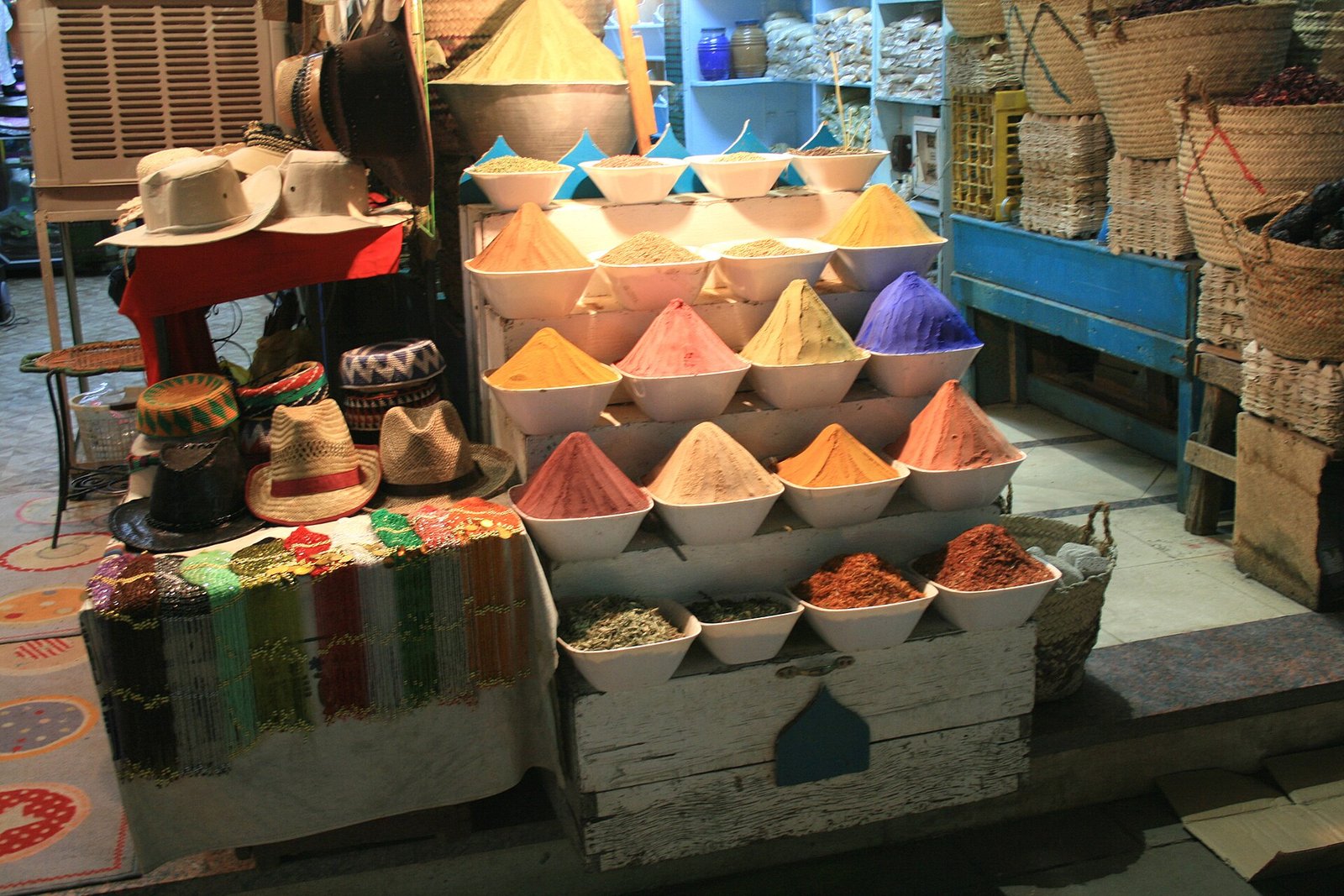
Large stores, jewelers, papyrus and cotton showrooms take cards. In the alleys of Khan el Khalili, the Luxor souk or the Aswan market, cash is the language and the price is a conversation. Our guide to haggling in Egypt explains how it goes.
Transport
Ride-hailing apps charge the card on file, the simplest way to pay for a taxi in Cairo. Street taxis, minibuses, horse carriages in Luxor and motorboats to Philae are cash, agreed before you get in.
Counterfeit notes and the money mistakes that actually cost people
Counterfeit Egyptian pounds are not a serious risk for visitors. The notes carry a watermark, a security thread and raised printing, official counters check what they hand out, and the sums a traveler handles are too small to interest a forger. The losses tourists actually suffer come from confusion rather than crime:
- Paying with the wrong note. Similar colors, dim light, a hurry. Look at the number, every time, until the notes are familiar.
- The slow count. A seller counts your change very slowly and stops before the end, hoping you will walk off. Count it back to him, smiling.
- The swap. You hand over a large note, it disappears below the counter, and a smaller one comes back with a complaint that you paid too little. Say the value out loud as you hand it over, and pay small sums with small notes.
- Dynamic currency conversion. The screen that asks to charge you in dollars. Choose pounds, always.
None of this needs more than the ordinary care you would take in any big city.
What to do with leftover Egyptian pounds
Because the pound is so hard to exchange outside Egypt, pounds carried home are wasted. The plan is to have as few as possible on the last day, and there are three ways to get there.
- Spend down on purpose. In the last two days, change nothing new and pay from your remaining pounds. Switch to the card for anything larger.
- Change back at a bank or exchange office before the airport, or at a bank counter inside the terminal. Some ask to see the receipt from your original exchange. Notes only, never coins.
- Use the last handful well. A final tip for the driver, a coffee airside, or a polymer note kept as a souvenir.
Do not leave it to the departure gate, where the shops beyond passport control price in foreign currency and treat pounds as an inconvenience. Our guide to Cairo airport arrival and departure shows where the counters are on both sides.
How Explora Egipto quotes, and what you pay on the ground
Money in Egypt becomes a much smaller subject when most of it is settled before you land. You tell us your dates, your group and the pace you want, and we send you one quote for the whole program: hotels, the Nile cruise if there is one, private vehicles with our own drivers, your Egyptologist guide, domestic flights between Cairo, Luxor and Aswan when the route calls for them, and the entrance tickets listed in the itinerary. You settle that quote with us in your own currency.
What is left to pay in Egypt is deliberately short: tips for the guide, driver and cruise crew, drinks outside the included meals, personal shopping, and any optional excursion you add during the trip, such as a dawn balloon flight in Luxor. We tell you before departure which of those apply, so you change the right sum and not a pound more. The full breakdown is in what our Egypt tours include, and the wider budget question is answered in is it expensive to travel to Egypt.
Most of our travelers change money twice on a ten-day trip: once on arrival, once around the middle.
Frequently asked questions
What is the currency of Egypt called?
The Egyptian pound. It is written EGP in banking and on exchange boards, LE on prices inside the country, and called the guineih in spoken Arabic. It divides into one hundred piastres, which you will hear about and almost never handle.
Should I get Egyptian pounds before I travel?
No. The pound is rarely stocked by banks outside Egypt, and what they offer is poor. Bring clean US dollars or euros as a backup, then change at a bank or exchange office after you land, or withdraw from an ATM. The counters in the arrivals hall cover the first taxi and the first tips.
Are US dollars accepted in Egypt?
Sometimes, at hotels, cruise operators and tour desks, and a few shops will take them. As a habit it is a poor idea, because the seller sets the conversion. Change your dollars into pounds at an official counter and pay in pounds.
Do credit cards work in Egypt?
Visa and Mastercard work at hotels, cruise ships, larger restaurants, supermarkets, pharmacies, malls and the bigger shops. They do not work for tips, taxis, markets, street food or small stores. Carry two cards from different banks, and when a terminal offers to charge you in dollars, choose Egyptian pounds.
Which banknotes are the most useful in Egypt?
The small ones. Tips, restrooms, bottled water and short rides are paid all day long in small notes, and nobody in that chain has change for a large one. Ask for small notes every time you change money and keep the small ones in a separate pocket.
Can I change Egyptian pounds back at the end of the trip?
Yes, at a bank or exchange office in the city or at a bank counter in the airport, and some will ask to see your original exchange receipt. Coins are not changed back. The better plan is to change little and often, so the last day leaves you with a small sum.
Land in Egypt with the money question already answered
Tell us your dates, who is traveling and the places you want to see. We send you one quote for the whole program and a short list of what stays in cash on the ground, so the only money decision left is how many small notes to put in your front pocket each morning.